Book Appointment Now

Hair Fall Treatment in Nagpur: Causes, Diagnosis & Treatment Options
Finding more hair than usual on your pillow, comb or bathroom floor can be concerning. Although some daily shedding is normal, persistent hair fall, thinning or a receding hairline may indicate an underlying hair or scalp condition that needs evaluation.
If you are looking for hair fall treatment in Nagpur, the first step should be identifying why the hair loss is occurring rather than immediately choosing a particular procedure.
How Much Hair Fall Is Normal?
Hair naturally passes through different stages of growth, rest and shedding. Because of this cycle, losing some strands every day is normal.
Hair fall may need attention when you start noticing changes such as:
- Sudden increase in shedding
- Widening of the hair part
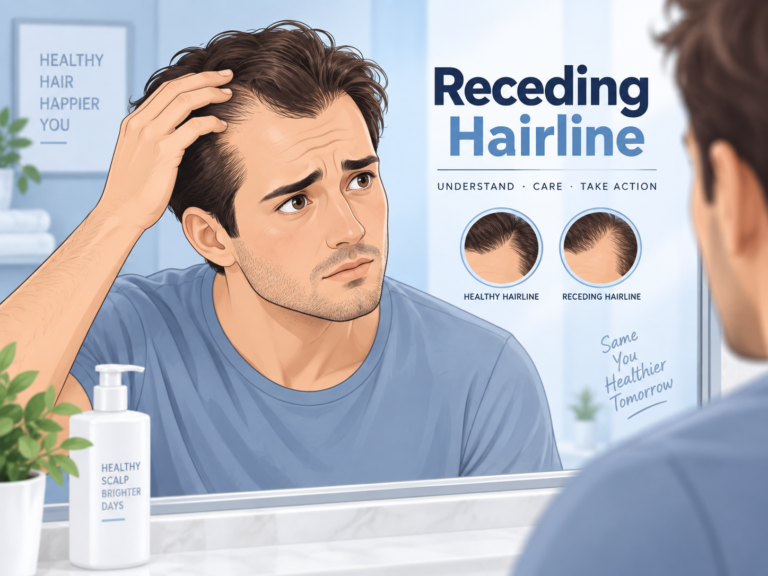
- Receding hairline
- Visible scalp
- Reduced hair density
- Bald patches
- Excessive hair while washing or combing
- Progressive thinning around the crown
- Persistent hair fall for several weeks
If these changes continue, consulting a dermatologist in Nagpur can help identify the possible cause.
What Are the Common Causes of Hair Fall?
Hair loss does not have one single cause. Different patients can experience similar-looking hair fall for completely different reasons.
This is why diagnosis is an important part of hair fall treatment in Nagpur.
1. Genetic Hair Loss
Androgenetic alopecia, commonly called male or female pattern hair loss, is one of the most common causes of progressive thinning.
Men may notice:
- Receding temples
- A changing frontal hairline
- Crown thinning
- Gradual baldness
Women may notice:
- Widening of the centre part
- Reduced overall hair density
- Increasing scalp visibility
Early evaluation can be useful because genetic hair loss may progress gradually over time.
2. Stress-Related Hair Fall
Physical or emotional stress can temporarily disturb the normal hair-growth cycle.
Hair shedding may increase after:
- Major illness
- Surgery
- Emotional stress
- Rapid weight loss
- Significant lifestyle changes
- High fever or infection
This type of shedding may become noticeable weeks or months after the triggering event.
Because stress-related hair loss and genetic hair loss can sometimes appear similar initially, professional evaluation is useful when shedding continues.
3. Nutritional Deficiencies
Hair follicles require adequate nutrition for healthy growth.
Deficiencies involving nutrients such as iron, protein and certain vitamins or minerals may contribute to hair shedding in some patients.
However, taking supplements without knowing whether a deficiency actually exists is not necessarily the right approach.
Depending on symptoms and medical history, the doctor may recommend appropriate investigations before treatment.
4. Hormonal Changes
Hormonal factors may also contribute to hair thinning.
These may be associated with:
- Thyroid disorders
- Pregnancy and postpartum changes
- Menopause
- Polycystic ovary syndrome
- Other hormonal conditions
If hormonal hair loss is suspected, identifying and managing the underlying condition is important.
5. Dandruff and Scalp Problems
A healthy scalp supports healthy hair.
Persistent dandruff, inflammation, infections or certain scalp conditions may be associated with:
- Itching
- Flaking
- Redness
- Irritation
- Hair breakage
- Increased shedding
A dermatologist can examine the scalp and determine whether treating the scalp condition should form part of the hair-loss treatment plan.
6. Excessive Heat and Chemical Styling
Frequent use of:
- Hair straighteners
- Excessive blow drying
- Bleaching
- Repeated colouring
- Chemical treatments
- Tight hairstyles
can damage the hair shaft or place repeated stress on the hair follicles.
Reducing damaging hair practices may therefore be an important part of maintaining hair health.
How Is Hair Loss Diagnosed?
Before deciding on hair loss treatment in Nagpur, the dermatologist needs to determine the type and likely cause of hair loss.
The evaluation may include:
- Pattern of hair loss
- Hair density
- Hairline assessment
- Scalp examination
- Duration of shedding
- Family history
- Medical history
- Diet and lifestyle
- Current medications
- Previous hair treatments
Additional investigations may be advised when a nutritional, hormonal or medical cause is suspected.
Trichoderm Centre’s hair restoration solutions focus on evaluating the individual condition before selecting an appropriate treatment approach.
What Are the Treatment Options for Hair Fall?
There is no universally best hair fall treatment.
The appropriate option depends on:
- Cause of hair loss
- Severity
- Existing hair density
- Condition of the follicles
- Age
- Scalp health
- Stage of hair loss
- Individual medical factors
Several treatment approaches may be considered depending on the diagnosis.
Medical Treatment for Hair Loss
Some forms of hair loss may benefit from dermatologist-prescribed topical or oral treatments.
The choice depends on the diagnosis and individual patient’s medical requirements.
Hair-loss medication should generally be used under appropriate medical supervision rather than based solely on online recommendations.
GFC Hair Treatment
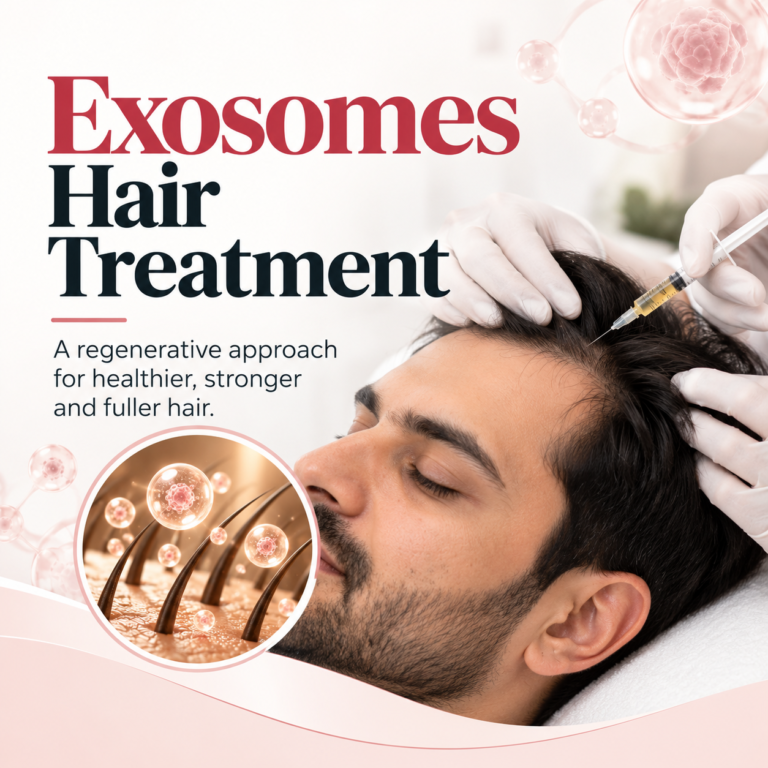
GFC, or Growth Factor Concentrate, is one of the regenerative approaches that may be considered for selected cases of hair thinning.
The treatment uses growth factors obtained from the patient’s own blood and is intended to support existing hair follicles.
You can learn more about GFC Hair Treatment at Trichoderm Centre.
GFC does not automatically suit everyone with hair loss. The condition of the existing follicles and the cause and stage of hair loss need to be evaluated first.
Mesotherapy for Hair
Mesotherapy for Hair may also form part of a non-surgical hair restoration plan for selected patients.
It involves delivering selected ingredients into the scalp.
Whether mesotherapy is appropriate depends on the patient’s hair-loss pattern, scalp condition and treatment goals.
It should not be considered a universal solution for every form of hair loss.
Hair Restoration Treatment
Hair restoration is broader than one individual procedure.
Depending on the patient, a treatment plan may involve medical management, regenerative procedures, scalp treatment, lifestyle modifications or a combination of approaches.
Learn more about the available hair restoration treatments at Trichoderm Centre.
When Is a Hair Transplant Considered?
Some patients have areas of established permanent hair loss where non-surgical treatments may not provide sufficient restoration.
In suitable candidates, hair transplantation may then be considered.
A hair transplant involves transferring healthy follicles from a suitable donor area to areas affected by permanent hair loss.
However, not everyone experiencing hair fall requires surgery.
Factors such as:
- Type of hair loss
- Donor hair availability
- Age
- Extent of baldness
- Future hair-loss progression
- Existing hair density
need to be considered first.
If you are considering surgery, read our complete guide on Hair Transplant in Nagpur to understand the procedure, recovery and factors that influence results.
GFC vs Hair Transplant: What Is the Difference?
GFC and hair transplantation address different situations.
GFC
GFC may be considered when existing follicles are still present and the objective is to support thinning hair in selected patients.
Hair Transplant
Hair transplantation may be considered when permanent hair loss has resulted in areas where adequate natural regrowth is unlikely.
The two treatments are therefore not interchangeable.
A dermatologist should first determine the stage and cause of hair loss before deciding which approach is appropriate.
Why Early Treatment of Hair Fall Matters
One reason patients delay seeking treatment is that hair loss usually progresses gradually.
Early signs may include:
- Slight widening of the hair part
- Mild temple recession
- Decreasing volume
- Increased scalp visibility
- More shedding than usual
These changes may appear minor initially.
However, certain forms of progressive hair loss can become more noticeable over time.
Early evaluation may provide more options for protecting and maintaining existing hair than waiting until significant loss has occurred.
Common Hair Fall Treatment Mistakes
People experiencing hair loss often try several solutions before seeking professional advice.
Some common mistakes include:
Frequently Changing Hair Products
Changing shampoos repeatedly may not solve hair loss when the underlying problem is genetic, hormonal, nutritional or medical.
Taking Supplements Without Testing
Supplements are useful when appropriate, but taking multiple products without knowing whether a deficiency exists may not address the real cause.
Following Social Media Remedies
Hair-loss treatments should not be selected solely because they are trending online.
Waiting Until Hair Loss Is Advanced
Some forms of hair loss respond better to management when identified earlier.
Starting a Procedure Without Diagnosis
GFC, mesotherapy and hair transplantation have different indications.
The correct treatment depends on the actual condition.
Can Hair Fall Be Completely Stopped?
The answer depends on the cause.
Temporary hair shedding associated with certain triggers may improve when the underlying factor resolves.
Genetic hair loss, on the other hand, may require long-term management.
Some conditions can be controlled or improved, while others may continue progressing over time.
The objective of treatment should therefore be based on realistic expectations and the patient’s diagnosis.
How to Choose a Hair Fall Doctor in Nagpur
If hair fall persists, consider consulting a doctor who evaluates both hair and scalp conditions.
Look for an approach that includes:
Proper Diagnosis
Treatment should begin with understanding why hair loss is occurring.
Individual Treatment Planning
The same treatment should not automatically be recommended to every patient.
Medical and Procedural Options
A comprehensive approach allows the dermatologist to choose between medical, regenerative and surgical options based on the condition.
Long-Term Management
Hair loss can be progressive, so maintaining existing hair may be just as important as restoring lost hair.
Hair Fall Treatment in Nagpur at Trichoderm Centre
With 8+ years of experience and 10,000+ patients treated, the clinic focuses on personalised, safe and evidence-based treatment.
Depending on the diagnosis, treatment options may include medical management, hair restoration, GFC Hair Treatment, Mesotherapy for Hair or hair transplantation for suitable candidates.
Trichoderm Centre Locations in Nagpur
Trichoderm Centre has four clinic locations in Nagpur:
- Ramdaspeth
- Dabha/Wadi
- Swavalambi Nagar/Padole Chowk
- K.T. Nagar/Friends Colony
Frequently Asked Questions About Hair Fall Treatment in Nagpur
Which doctor should I consult for hair fall?
A dermatologist evaluates hair and scalp disorders and can help determine whether hair loss is genetic, temporary, nutritional, hormonal, inflammatory or related to another condition.
When should I worry about hair fall?
Consider an evaluation if you notice persistent excessive shedding, progressive thinning, bald patches, a receding hairline, widening of your hair part or significant changes in hair density.
Which treatment is best for hair fall?
There is no single best treatment for everyone. The appropriate treatment depends on the cause, stage and pattern of hair loss.
Is GFC effective for every type of hair loss?
No. GFC may be considered in selected patients depending on the condition of the existing hair follicles and the underlying diagnosis.
Is hair transplant necessary for hair fall?
No. Hair transplantation is generally considered for selected cases of established permanent hair loss. Many patients may require non-surgical treatment instead.
Can a dermatologist treat dandruff and hair fall together?
Yes. When scalp inflammation, dandruff or another scalp condition contributes to the problem, treating the scalp may form part of the overall hair-loss management plan.
Consult for Hair Fall Treatment in Nagpur
Persistent hair fall should not always be managed by repeatedly changing shampoos, supplements or home remedies.
The first step is understanding whether the problem is temporary shedding, genetic hair loss, a scalp condition or another underlying issue.